
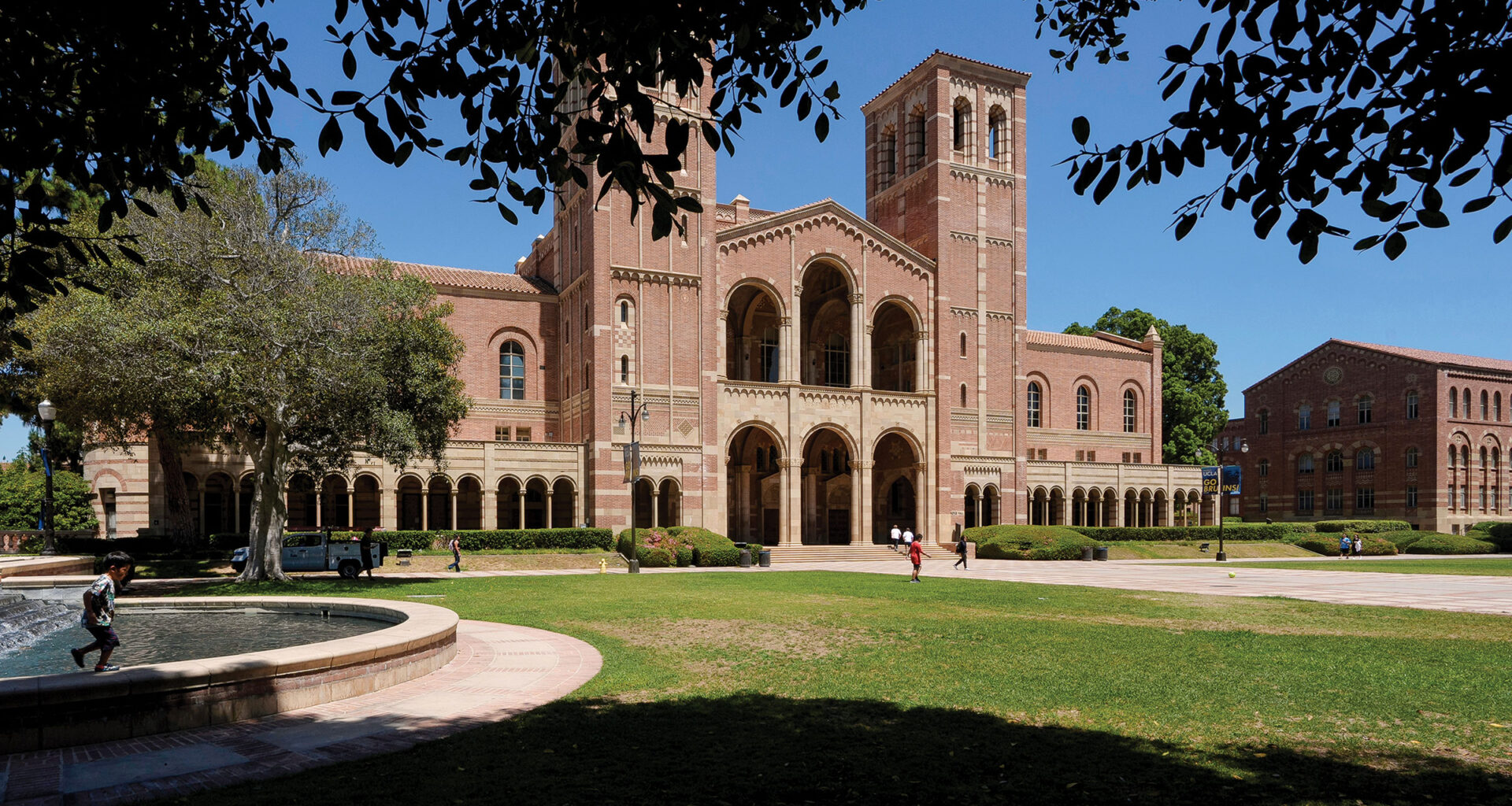
The University of California (UC) system announced March 5 that it’s sponsoring a bipartisan state senate bill that proposes a $23 billion bond to fund research across California, which would be the largest state-level investment in scientific research in US history.
S.B. 895, introduced by California senator Scott Wiener (D) in January, would also establish the California Foundation for Science and Health Research, which would use the money to provide grants and loans to public and private universities, research companies, and health-care organizations across the state.
The bill comes after a year of major turmoil over federal funding in support of the US scientific community. Although fiscal year (FY) 2025 budgets for federal science-funding agencies weren’t too different from FY 2024 levels, federally funded research at more than 600 colleges and universities still saw significant disruptions after the Donald J. Trump administration terminated or froze thousands of research grants last year.
In a March 5 state senate hearing, UC president James B. Milliken said that across the system’s 10 campuses, over $1 billion worth of grants were affected by grant freezes and suspensions in 2025, including approximately $584 million from UC Los Angeles alone.
Milliken added that although most UC research grants have since been reinstated, around $230 million dollars of research funding is still being withheld by the federal government.
The Trump administration also ordered UCLA to pay a $1 billion fine over alleged civil rights allegations, though federal district judge Rita F. Lin ultimately blocked the fine.
Many California State University researchers also had grants terminated by the Trump administration, and the 22-campus system expects to be $43 million short on funds for the 2025–26 school year after the US Department of Education ended its grant programs for schools it identifies as minority-serving institutions back in September. “University research has been under sustained attack over the past year,” Milliken said in a press release announcing UC’s sponsorship of S.B. 895. “This bill aims to protect the remarkable advances benefiting millions of Californians now and in the future.”
The bill would place the bond on California’s November 2026 election ballot for voters to approve or disapprove. Under the legislation, the state would raise $23 billion by selling general obligation bonds and invest the money it receives into research projects and infrastructure. The California Foundation for Science and Health Research will oversee funding decisions, which will be determined based on foundation priorities and scientific peer review panels.
The state will then repay bondholders over a 30-year period, using primarily existing tax revenues.
“There is no automatic new tax attached to this measure. Instead, the cost is spread over decades, similar to how California finances schools, water systems, and infrastructure,” said Vidya Saravanapandian, a neuroscientist at UCLA, in a February town hall advocating the bill.
S.B. 895 wouldn’t be the first time California has used bonds to compensate for federal funding changes. In 2004, after President George W. Bush restricted government funding for stem cell research, state voters passed a measure to create the California Institute for Regenerative Medicine (CIRM), which used $3 billion in state-issued bonds to support these types of projects.
According to a 2020 University of Southern California analysis, California’s investment in CIRM generated $10 billion in economic output and created 56,000 jobs.
During the town hall, Saravanapandian said that independent economists Kleinhenz Economics and the California Economic Forecast have estimated that S.B. 895 will generate $52.1 billion of economic output (PDF) and create 55,000–59,000 jobs annually.
“The advancements produced with this funding will not only blaze new paths for science—they will reinvest a share of their success in the future of California,” said Wiener when the bill was first announced.
Krystal Vasquez is an associate editor and US science policy reporter at C&EN
Chemical & Engineering News
ISSN 0009-2347
Copyright ©
2026 American Chemical Society